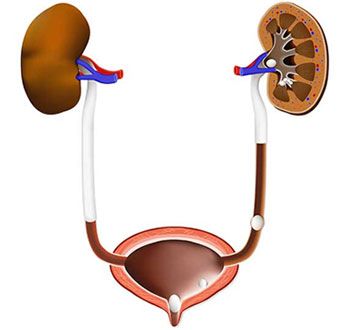
What Causes It?
Defective ureterovesical valve: The valve between the ureter and bladder fails to close properly during urination.
Short ureteral tunnel: The ureter enters the bladder at a shallow angle, making the valve mechanism weak.
Genetic predisposition: Family history of VUR increases the likelihood of the condition in children.
Incomplete bladder development in infants: Immature urinary tract structures present at birth.
Urinary tract obstruction: Blockages in the urethra or bladder increase bladder pressure and push urine backward.
Neurogenic bladder: Nerve damage from spinal cord defects or injuries causing poor bladder control.
Chronic bladder infections: Repeated infections can weaken the valve and ureter function.
Bladder dysfunction: Overactive bladder or incomplete bladder emptying leads to urine reflux.
Urethral valves in boys: Abnormal folds of tissue in the urethra blocking urine outflow.
Post-surgical changes: Scar tissue or structural changes after urinary tract surgeries.
Signs & Symptoms
Recurrent urinary tract infections (UTIs)
Fever and chills
Pain during urination
Frequent urination
Bedwetting in children
Blood in urine (hematuria)
Abdominal or flank pain